

Repair Cavities and Damaged Teeth
Fillings and Restorative Dentistry in Oregon, WI
Restorative Dentistry
What Is Restorative Dentistry?
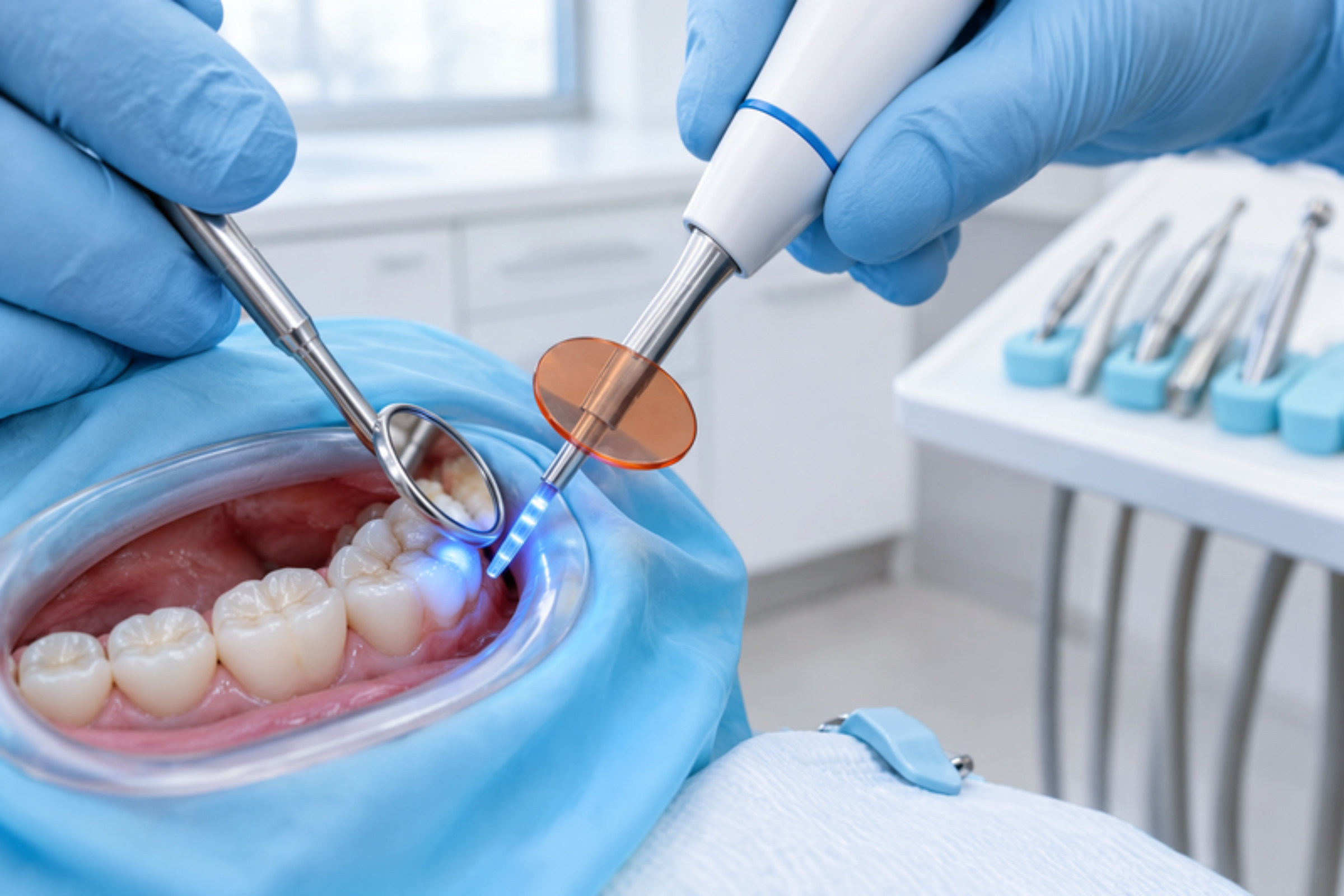
Restorative dentistry repairs teeth that have been damaged by decay, wear, or injury so they look, feel, and work like healthy teeth again. At Oregon Family Dentistry, this includes tooth-colored fillings, dental bonding, and chairside veneers that fix cavities, chips, and cracks while keeping as much of your natural tooth as possible.
Treating a cavity early with a simple filling is usually faster, more comfortable, and less costly than waiting until the tooth needs a crown or a root canal. If a tooth is more severely damaged, Dr. Kong Wang will explain all of your options so you can choose the treatment that is right for you.
We help patients from Oregon, Stoughton, Fitchburg, Verona, and surrounding areas keep their natural teeth strong for years to come.
Signs You May Need a Filling or Repair
Cavities often start without any pain. Give us a call if you notice any of these signs.

Tooth Sensitivity
A sharp twinge when you eat or drink something hot, cold, or sweet.

Pain When Chewing
Discomfort when you bite down can point to a cavity or a cracked tooth.

Dark Spots or Holes
Brown, black, or chalky white spots, or a hole you can feel with your tongue.

Chipped or Cracked Teeth
Small chips and cracks can often be repaired with bonding or a filling.

Food Getting Stuck
Food that catches in the same spot may mean a cavity or a broken filling.

Worn or Old Fillings
Older fillings can crack or leak over time and may need to be replaced.
How a Filling Works
Most fillings are completed in a single, comfortable visit.

Exam and X-Rays
Dr. Wang examines the tooth and uses X-rays to see how far the decay or damage goes.

Numbing for Comfort
We numb the area so you stay comfortable throughout the procedure.

Removing Decay
The damaged part of the tooth is gently removed and the area is cleaned.

Filling and Shaping
The tooth is filled with a material that matches your natural tooth color, then shaped and polished for a comfortable bite.
Filling and Restorative FAQs
How long does a filling take?
Most fillings take about 30 to 60 minutes, depending on the size and location of the cavity. Many patients go back to their normal day right after.
Do fillings hurt?
We numb the tooth before we begin, so most patients feel little to no discomfort. The tooth may feel a bit sensitive for a few days afterward, which is normal.
How long do fillings last?
With good brushing, flossing, and regular checkups, fillings can last many years. Dr. Wang checks your fillings at every exam and will let you know if one needs to be replaced.
What are chairside veneers?
Chairside veneers are thin layers of tooth-colored material applied directly to the front of a tooth right here in our office. They can cover chips, small gaps, and discoloration, often in a single visit.
Can I eat after getting a filling?
You can usually eat once the numbness wears off. Waiting helps you avoid biting your cheek or tongue. Dr. Wang will give you specific instructions after your visit.
What happens if I do not treat a cavity?
Cavities keep growing over time. A small cavity that could be fixed with a filling can turn into a painful infection that needs a root canal, a crown, or an extraction.


Explore Related Services
Not sure which treatment you need? See all of our dental services or call us at (608) 835-0103.